
BLOG
What are the types of radar interference?
2023-07-27
What are the types of radar interference?
Radar technology plays a crucial role in various applications, from communication to defense and scientific research. However, radar systems are susceptible to interference, which can disrupt their functionality. Let's explore different types of radar interference and how our company's cutting-edge products can mitigate these challenges.
Types of Radar Interference:
Frequency Matching: Radar interference systems must emit signals at the same frequency as the radar being targeted. This principle applies not only to noise interference but also to deception interference. Mismatched frequencies will render the interference ineffective, as the radar won't receive or display the interfering signal.
Continuous Interference: To achieve maximum impact, jamming transmitters should produce continuous interference. Intermittent interference may fail to completely mask the target, as experienced radar operators or advanced automatic trackers can see through intermittent interference and counter its effects.
Signal-to-Noise Ratio (SNR): The SNR is a crucial consideration to determine if interference can effectively cover the target signal. Effective jamming occurs when the interference signal's strength surpasses that of the target signal, preventing the radar from detecting the target.
Jamming Signal Ratio (JSR): JSR is another method of evaluating interference effectiveness by comparing the strength of the interference signal to that of the target signal.
Burnthrough Range: The ideal interference system should minimize the burnthrough range to limit the radar's ability to detect the target. The burnthrough range represents the minimum distance at which the radar can detect the target under given jamming conditions. When the target enters this range, the radar's power is sufficient to overcome the interference signal, allowing the target to be detected again.
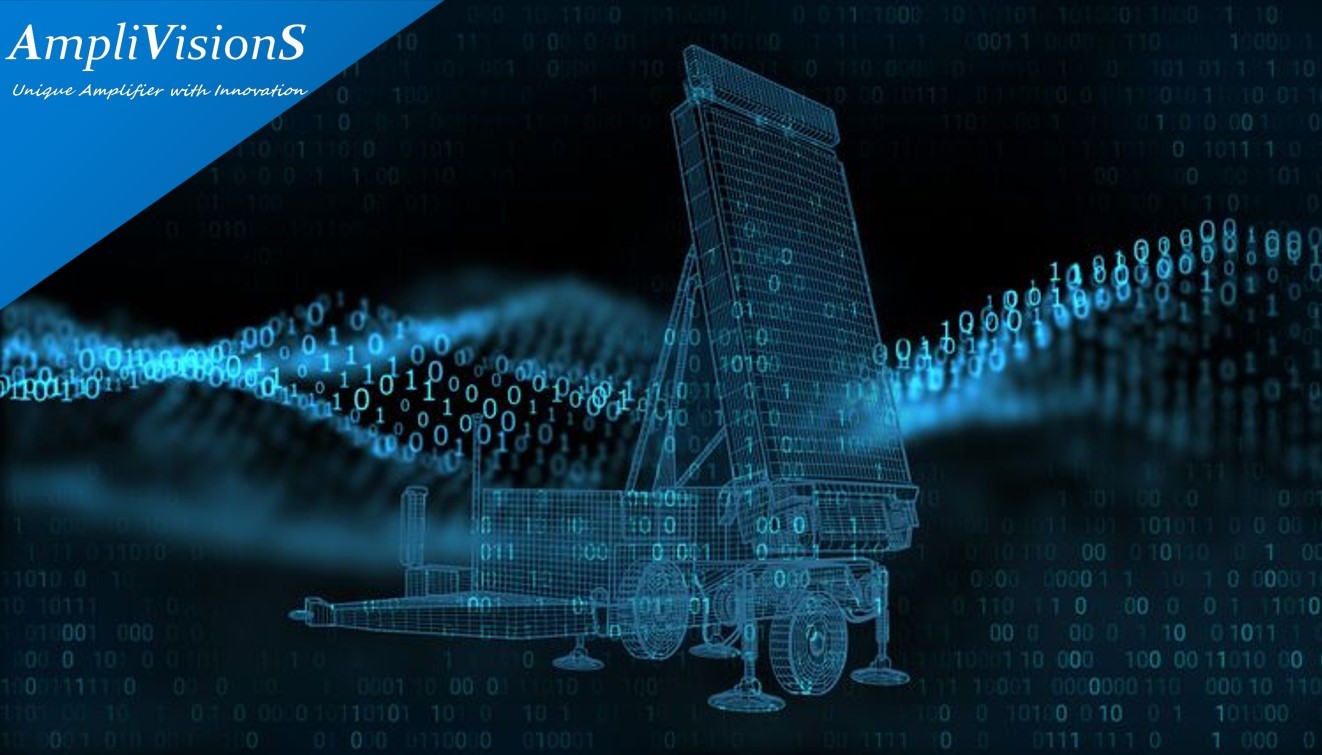
Our Company's Solutions: At our company, we offer state-of-the-art radar amplifiers designed to bolster radar systems' performance and counter interference challenges. Our products include:
High-Power Pulse Amplifiers: Ideal for amplifying pulse signals within radar systems, these amplifiers provide high peak power to support radar detection and target tracking. With a wide frequency range, they cater to diverse radar system needs.
Broadband Power Amplifiers: Our Broadband Power Amplifiers deliver stable power gain over a wide frequency range, making them suitable for various radar applications, including search and target identification radars. These amplifiers boast high efficiency and stability, ensuring optimal radar system performance.
In conclusion, understanding the different types of radar interference and utilizing advanced radar amplifiers are vital to maintain radar system integrity and reliability. Our company takes pride in providing innovative solutions that enable radar systems to perform optimally in diverse scenarios.
Next page:

■
400W High Power Pulsed Amplifier——AVPR1100H56
The AVPR1100H56 is an L-band solid-state pulsed power amplifier based on high-power RF LDMOS technology, with integrated control, monitoring, and protection functions.
—
2026-10-09
■
Our team will be on holiday from October 1 to October 7, 2026, and normal business operations will resume on October 8, 2026. During the holiday, our response time may be slightly longer than usual. We appreciate your understanding and patience.
■
ONE MOON, A THOUSAND YEARS OF MEANING
Happy Mid-Autumn Festival.
■
RF Power Amplifier Datasheet Guide ——Common Terms & Abbreviations
RF power amplifier datasheets contain a wide range of technical terms and abbreviations. But understanding the numbers starts with understanding what they actually represent.
■
70W Rack-Mount RF Power Amplifier-AVBR2080U48
The AVBR2080U48 is a solid-state broadband RF power amplifier based on Class AB architecture and RF GaN technology. It is specified for operation from 2.0 to 8.0 GHz, with a typical Output P1dB of 43 dBm.
■
SWR vs. Return Loss — How Do You Interpret Them?
VSWR and Return Loss often appear together in RF specifications. What do these two parameters actually tell us, and how should we interpret their values?